|
Packaging Guide
At ARRIIVAL, We will take care of every shipment but to ensure this, there are a few rules and procedures that we hope our client can follow in order to safeguard the quality and physical state of the item
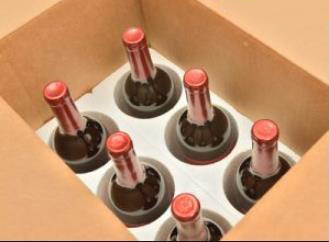
- Do pack the item individually and separately, internal packing must be no empty space
- Do use filling material to pack each of the fragile item (Example material like Bubble Wrap, Foam Wrap, Cardboard etc) internal packing must be no empty space
- Do not allow fragile item touch each other
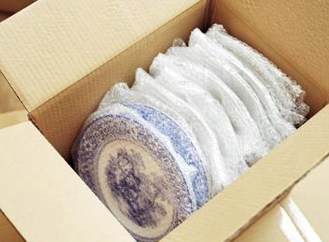
- Do use filling material to pack each of the fragile item (Example material like Bubble Wrap, Foam Wrap, Cardboard etc) internal packing must be no empty space
- Do use flying material/Thickness based on item fragility
- Do not allow pack the fragile item without filling material
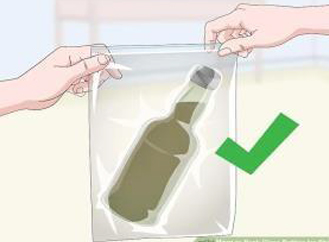
- Use a waterproof, sealable primary container
- Pad the empty spaces of additional containers so that they donĄ¯t touch each other - the materials should also be absorbant to contain any leakage.
- Ensure the bottles are placed upright (you can use markings on the outside of the package to ensure they stay this way in transit).
- The final, outer container should be able to contain any potential leakage
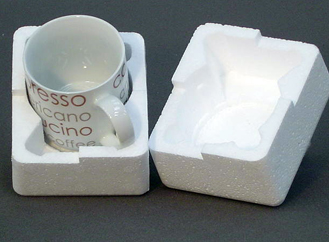
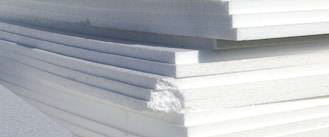
- The best packaging to protect item is using styrofoam (especially item for high value e.g :electronic)
- Do not use thin for those fragile item and high value as it will not protect your item.
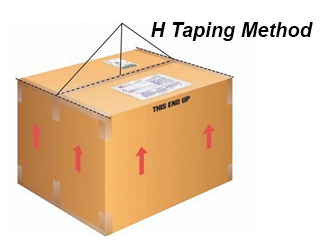
- Apply type evenly across flaps and seams to both the top and bottom of the outer box. use the H taping method.
- Best type for packing : Shipping tape, storage tape, brown paper packing tape, filament packing tape and gummed paper tape
- Do not use cellophane tape, duct tape, masking tape, string, or rope to seal packages.
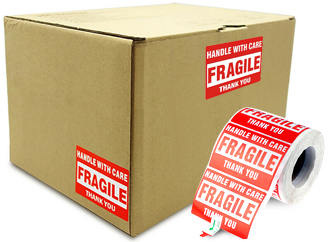
- Do stick the label for fragile item on each side of box
- Do use strong & sturdy double-wall corrugated boxes
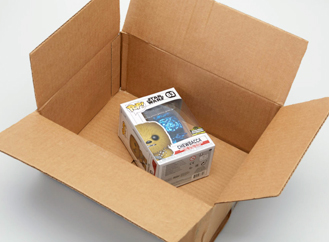
- Small item need to package according to the size of the box
- Do not packing using big box with a small item and gives empty space for shipment to move.
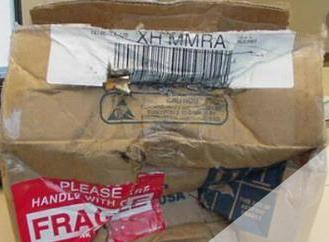
- Do not use damage box or recycle box
No compensation is to be given for any fragile/ perishable items that do not adhere to the following packaging guidelines and are damaged during a delivery. You are responsible for goods packaging and are advised to select your own material packing of your goods. Arriival has the right to reject from proceeding with the job if the item is not suitable to be transported in a safe condition due to poor packaging.
Arriival is not liable if the following packaging guidelines are not met.
- All packaging must be undamaged. Arriival or driver can reject any damaged containers, torn packages, leaking or unprotected goods. If still insists on proceeding, it can be done but any form of damage is not the ArriivalĄ¯s responsibility.
- Customer should provide all glassware items with sufficient protection to prevent items from breaking (eg. wrapping with bubble wrap/ newspaper).
- All furniture to be transported should be wrapped up sufficiently to prevent items from chipping and damaged during transportation.
- All perishable items must be kept in a good condition that will allow the items to endure the transportation journey by the handling team.
- All documents must be kept in an envelope. If the job requires a biker, it should ideally be waterproof due to the unforeseen weather conditions.
- All sauces (or any other liquids) should be placed in sealed containers with additional cling film wrapped around it as potholes/ emergency braking are sometimes unavoidable. This prevents spillage of liquid which might affect the conditions of the food being transported.
- All packaging cannot be over-sized or too small. Too much empty space will allow items to move around and mix together. A packaging that is too small will cause spillage of goods. Loose lids are also not allowed so please use tight-fitting lids to prevent any form of spillage.
- If parcel/item is not seal/packed properly, and subsequently there are claims about item shortage.
- Please note; at any point of the order Arrival have the right to not proceed with the job if transporter feels uncomfortable with the item being transported.
|
|
|